
What Skills Are Required for a Project Manager? A Complete Guide
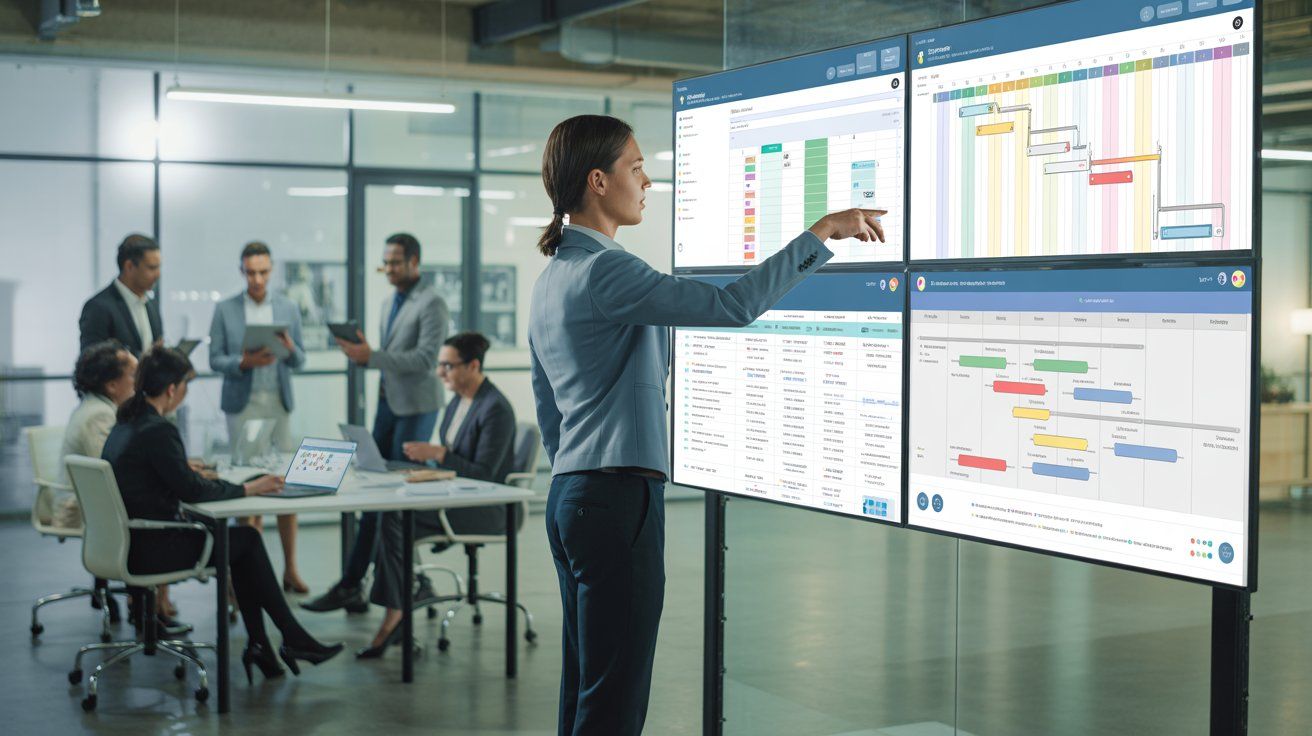
“What skills do I need to become a Project Manager?” is among the most asked questions by those who are just starting their journey into the management field. A project manager is much more than a person who plans things out.
They are responsible for keeping the ball rolling in the midst of chaos. Time, resources, and objectives are all handled in an organized manner by them. Along with learning about key skills of project management, leadership, communication, problem-solving, and industry expertise, you will also discover real-life case studies, tools, and simple explanations that make everything crystal clear.
What a Project Manager Actually Does
A project manager is responsible for turning ideas into real results. They take a goal and break it into smaller tasks. Then they guide a team to complete those tasks step by step. Their job is not doing all the work but making sure the work gets done correctly.
In real life, a project manager often acts like a bridge between clients and teams. They also handle changes when plans shift. Without them, projects easily become confusing and delayed.
Core Project Management Skills
Core skills are the base of every successful project manager. These skills help in planning, budgeting, and managing risks in a structured way.
Core Skills Overview
These skills work together in every project. Without planning, deadlines fail. Without budgeting, costs increase. Without risk management, small issues become big problems.
Project managers use these skills every day. They adjust plans quickly when things change and keep everything aligned with the goal.
Communication Skills That Matter
Communication is one of the most important What Skills Are Required for a Project Manager? factors. A project manager must explain ideas in simple language so everyone understands the same thing.
They also talk to clients, team members, and leaders. Miscommunication can delay entire projects. That is why clarity is more important than fancy words.
Good communication also includes listening. A strong manager hears concerns early and fixes problems before they grow.
Leadership Skills in Project Management
Leadership is not about controlling people. It is about guiding them toward a shared goal. A project manager must make decisions even under pressure.
They also solve conflicts inside teams. Sometimes people disagree, and the manager must bring balance. Motivation is another key part of leadership.
A good leader helps people stay focused even when deadlines feel stressful. They build trust and keep the team moving forward.
Organizational and Time Management Skills
Organization is the backbone of project success. A project manager handles many tasks at the same time. Without structure, things quickly fall apart.
They prioritize what matters most. They also track progress daily or weekly. Time management helps them avoid delays and missed deadlines.
Strong organization reduces confusion. It also makes it easier for teams to know what to do next.
Technical and Industry Knowledge
Project managers do not need to be experts in coding or engineering, but they must understand the basics of their industry. This helps them communicate better with teams.
They also use tools like Jira, Trello, or Asana to manage tasks. Knowing how these tools work saves time and improves efficiency.
Understanding industry terms prevents confusion. It also builds trust between managers and technical teams.
Strategic Thinking and Problem Solving
Strategic thinking helps project managers see the bigger picture. They do not just focus on today’s tasks. They think about long-term results.
When problems appear, they do not panic. Instead, they break the problem into smaller parts and solve it step by step.
They also connect daily work to business goals. This ensures every task has meaning and purpose.
Adaptability and Stress Handling
Projects rarely go exactly as planned. That is why adaptability is essential. A project manager must adjust quickly when changes happen.
Stress is also part of the job. Deadlines, pressure, and unexpected issues are common. A strong manager stays calm and focused even in tough situations.
Adaptability helps teams stay productive even when plans shift suddenly.
Tools Used in Project Management
Project managers rely on tools to stay organized. These tools make work faster and clearer.
Common Project Management Tools
These tools reduce confusion. They also help teams stay connected and updated in real time.
Without tools, managing large projects becomes very difficult.
Common Challenges Project Managers Face
Project management comes with real challenges. One common issue is scope creep, where the project keeps growing beyond limits.
Another problem is poor communication between teams. This causes delays and mistakes. Limited resources also make planning harder.
Challenges and Solutions
Good planning helps reduce most of these problems.
How Project Managers Improve Their Skills
Project managers improve by learning from real experience. Every project teaches something new. Mistakes are often the best teachers.
They also take certifications like PMP or PRINCE2. These improve knowledge and career opportunities.
Reading, practice, and feedback help them grow over time. Improvement is continuous, not one-time.
Why These Skills Matter for Career Growth
Strong project management skills open many career doors. Companies value people who can deliver results.
Good managers often move into higher leadership roles. Their ability to organize teams makes them valuable in any industry.
These skills also work across different fields like IT, construction, and marketing.
FAQs
What Skills Are Required for a Project Manager?
A project manager needs planning, communication, leadership, and problem-solving skills to manage teams and deliver results.
Do project managers need technical skills?
Basic technical knowledge helps, but deep technical skills are not always required.
Is communication important for project managers?
Yes, clear communication prevents confusion and keeps teams aligned.
What tools do project managers use?
Common tools include Jira, Trello, Asana, and Slack.
Can project management be learned?
Yes, it can be learned through practice, training, and real project experience.
Conclusion
What Skills Are Required for a Project Manager? is a question that comes down to balance. A strong project manager combines planning, leadership, communication, and adaptability. They do not just manage tasks.
They guide people and solve problems in real time. These skills grow with experience and practice. No one becomes perfect overnight. However, with steady learning and real-world exposure, anyone can build a strong career in project management and succeed in handling complex projects across different industries.