

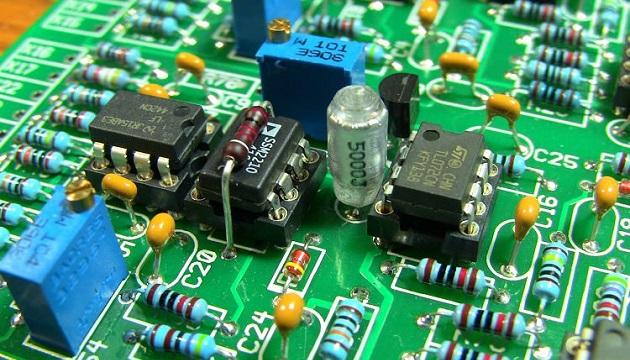
This foundational course introduces learners to the core principles of electronics, electrical systems, and digital circuit design. It is designed to build a strong base in understanding how electrical components work, how circuits are designed and analyzed, and how digital logic systems function in real-world applications. Ideal for students, technicians, and aspiring engineers, this course blends theory with hands-on insights to make complex concepts accessible and practical.
What you will learn
Basic concepts of voltage, current, resistance, and power
-
Ohm’s Law and circuit analysis techniques
-
Functions of key components: resistors, capacitors, diodes, and transistors
-
Introduction to AC/DC systems and power supplies
-
Fundamentals of digital logic: AND, OR, NOT, NAND, NOR gates
-
Boolean algebra and truth tables
-
How to read and create circuit diagrams
Skills you'll gain
Circuit analysis and troubleshooting
-
Understanding and working with electronic components
-
Ability to interpret and draw circuit schematics
-
Foundational knowledge of digital logic systems
-
Preparation for advanced electronics or embedded systems courses
Pre-requisite
No prior experience required
-
Basic math skills (algebra) recommended
-
Suitable for high school students, college entrants, or self-learner
Certificate
Add this credential to your LinkedIn profile, resume, or CV. Share it on social media and in your performance review. It is a proof for an employer, school, or other institution that you have successfully completed an online course.
Career Paths after Completing This Course
Junior Electronics Technician
-
Electrical Engineering Student
-
Robotics or Mechatronics Hobbyist
-
Embedded Systems or IoT Developer (beginner level)
-
Foundation for roles in hardware design, circuit testing, or automation fields
- Teacher: Raza Bhatti
